🧠 Steal a Brainrot
Every rarity tier, the income-per-cost brainrots that actually matter, and how to steal without losing your own base.
About Steal a Brainrot
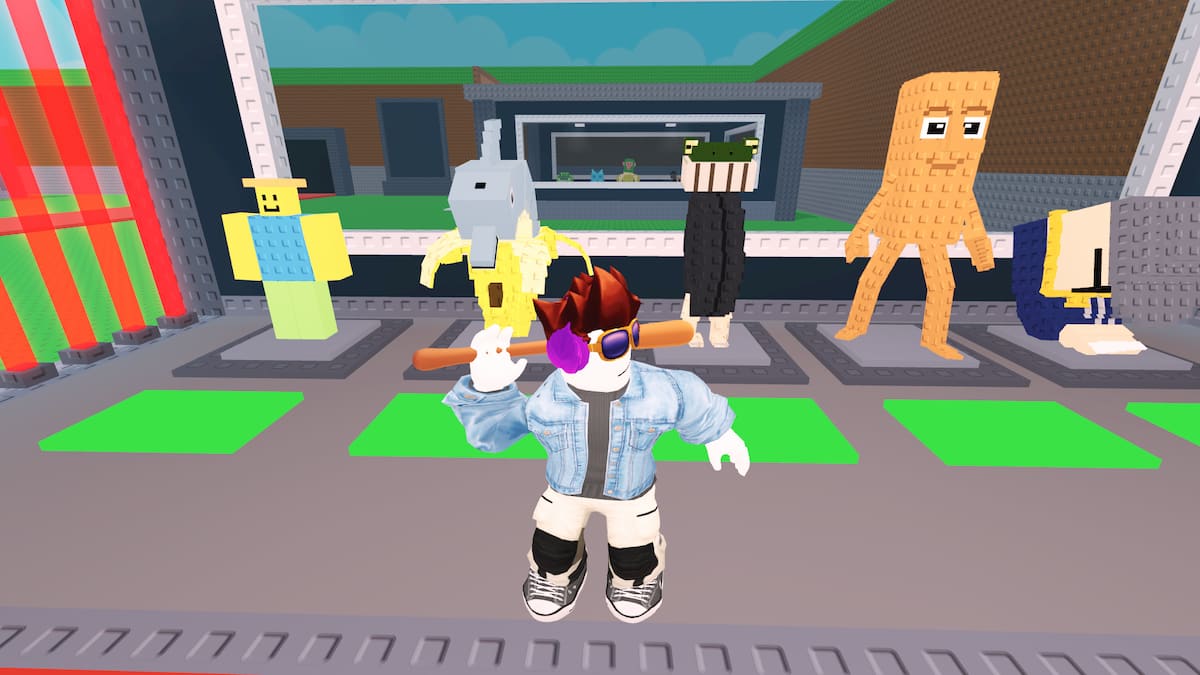
Steal a Brainrot is the meme-fueled multiplayer game that became one of the most-played experiences on Roblox. The premise is pure chaos: you collect brainrots — absurd meme characters — and place them in your base, where each one generates cash per second. The twist that gives the game its name: you can walk into other players' bases and steal their brainrots, while frantically defending your own. It's part idle collector, part PvP heist.
The game has grown to 450+ collectible brainrots across eight rarity tiers, with new ones added in near-weekly Saturday updates (plus seasonal events and collabs). Income ranges from a measly $1/second for the cheapest commons to a staggering $1B/second for top OG-tier units.
Why our guide is different: Most lists just rank brainrots by rarity and tell you to chase the rarest. That's a trap. The metric that actually grows your base fastest is income-per-cost, not raw rarity — and the right way to get a brainrot depends entirely on which tier you're targeting. This guide breaks down both, plus the stealing and defense mechanics nobody explains properly.
🔄 Note on values: Steal a Brainrot ships new content almost every Saturday, so exact costs, income rates, and the best-in-slot units shift constantly. The tier framework and strategy below are stable; treat specific unit names as a current-meta snapshot. For rotating codes, check in-game or our partner Free Game Codes.
How It Works: The Core Loop
1. Acquire Brainrots
Buy them off the Red Carpet conveyor belt that spawns units in the center of the map, or steal them from other players. Higher rarities cost more and earn more.
2. Place & Earn
Put brainrots on the platforms in your base. Each generates passive cash every second, even while you're busy elsewhere — this is your income engine.
3. Steal & Defend
Sneak into rival bases to grab their high-value units, then race back to your own. Meanwhile, lock down and defend your best brainrots before someone does the same to you.
4. Reinvest & Climb Tiers
Spend your cash on better brainrots with higher income, fuse units into stronger ones, and steadily climb from $1/s commons to base-defining earners.
The 8 Rarity Tiers
Every brainrot belongs to one of eight rarities. As a rule, higher rarity = rarer spawn, higher cost, and much higher income per second:
| Tier | Role in Your Progression | Income Scale |
|---|---|---|
| Common | Starter filler — replace within minutes | ~$1/s and up |
| Rare | Early stepping stone | Low |
| Epic | First tier worth actually investing in | Moderate |
| Legendary | Reliable mid-game earners; guaranteed by pity | Solid |
| Mythic | Strong base assets; conveyor still viable here | High |
| Brainrot God | First "endgame" tier with reasonable spawn odds | Very high |
| Secret | Chase units (e.g. via Divine Fuse Machine) | Elite |
| OG | Astronomically rare collector trophies | Up to ~$1B/s |
⚠️ The rarity trap: Common and Rare brainrots are outgrown within minutes of active play. Pouring cash into anything below Epic is the classic new-player mistake — you're mistaking a rarity label for actual value. Judge a brainrot by income-per-cost in its price bracket, not by how rare it looks.
How to Get Brainrots (By Tier)
There are several acquisition methods, and the right one depends entirely on what you're chasing:
| Method | Best For | Notes |
|---|---|---|
| Red Carpet conveyor | Up through Mythic | Your bread-and-butter; above Mythic the spawn odds get too thin to rely on |
| Stealing from players | Legendary and above | Only becomes genuinely worthwhile at higher tiers — the risk isn't worth it for cheap units |
| Rituals | Brainrot Gods & up | One of the more reliable ways to summon specific high-rarity units |
| Divine Fuse Machine | Secret tier | Fuse several brainrots into a stronger one — the route to top Secrets |
| Admin Abuse events | High-value drops | Attend consistently — these events are a major source of rare units |
| Lucky Blocks | Random (Robux) | Gacha-style; inefficient for targeting a specific brainrot |
💡 Pity system: The conveyor has a safety net — a Legendary is guaranteed to spawn every 5 minutes and a Mythic every 15 minutes. Plan your play around these timers: be present and ready to buy when the guaranteed spawn lands instead of wasting cash on filler in between.
Best Brainrots: Think Income-Per-Cost
The "best" brainrot is the one that earns the most relative to what it costs you right now — not the rarest unit on a leaderboard. Use this priority order:
| Stage | Target | Why |
|---|---|---|
| Early | Best Epic you can afford | First tier with income worth investing in; stop buying Commons/Rares immediately |
| Mid | Legendary & Mythic earners (e.g. Strawberry Elephant tier) | Backed by the pity system, so they're reliably obtainable |
| Late | Brainrot Gods, then Secrets via Divine Fuse (e.g. Griffin) | Where serious income-per-second lives |
| Trophy | OG units (Meowl, Strawberry Elephant) | Mostly collector flexes — absurd spawn rates, real-world trade value |
Mutations stack on top of brainrots too. Units can roll mutation variants — Gold, Diamond, Rainbow, and Galaxy — that boost their base stats and value. A mutated mid-tier brainrot can out-earn a clean higher-tier one, so don't auto-sell a Rainbow or Galaxy roll just because the base unit looks ordinary.
Stealing & Base Defense
When to Steal
Stealing carries risk — you're away from your own base while you do it. It only pays off when you're targeting Legendary-tier units or higher. Scout bases for a single high-value brainrot rather than grabbing whatever's closest, and have an escape route planned before you grab.
Defending Your Base
Lock down your best brainrots and keep your highest earners on the platforms hardest for raiders to reach. The moment you pull a Brainrot God, Secret, or a mutated unit, securing it should be your priority — losing your top earner sets your income back far more than any single steal gains you.
Coordinate
For high-value targets, teaming up with other players (to distract a defender or chain steals) is a legitimate and effective strategy. The game's economy rewards coordination as much as raw cash.
Pro Tips
- Stop buying below Epic fast — Common and Rare units are outgrown in minutes; they're filler, not investments.
- Optimize for income-per-cost, not rarity — the unit that earns most per dollar in your current bracket beats the rarest one you can barely afford.
- Play around the pity timers — a Legendary every 5 minutes and a Mythic every 15; be ready to buy when they land.
- Never auto-sell mutated units — a Gold, Diamond, Rainbow, or Galaxy roll can out-earn a higher base rarity.
- Attend Admin Abuse events consistently — they're one of the best sources of high-value brainrots you won't get on the conveyor.
- Lock and defend your top earner first — losing it costs you more than most steals will ever gain you.
Frequently Asked Questions
What's the best brainrot to buy as a beginner?
The best Epic-tier unit you can afford. Skip Commons and Rares as soon as possible — they're outgrown within minutes. Always compare income-per-cost rather than chasing the rarest unit on the board.
How does the pity system work?
The Red Carpet conveyor guarantees a Legendary spawn every 5 minutes and a Mythic every 15 minutes. It's a safety net so you're never fully reliant on luck for mid-tier units — just be present and ready to buy when the guaranteed spawn appears.
How do I get Secret or OG brainrots?
Secrets typically come from the Divine Fuse Machine (fusing multiple brainrots into a stronger one) and Rituals. OG units like Meowl and Strawberry Elephant have astronomically low spawn rates and are mostly collector trophies — they're more realistic to trade for than to roll yourself.
Is stealing worth the risk?
Only for Legendary-tier units and above. Stealing pulls you away from defending your own base, so grabbing a cheap unit usually isn't worth the exposure. Scout for one high-value target, plan your escape, and consider coordinating with other players.
What do the Gold, Rainbow, and Galaxy variants do?
Those are mutation variants that boost a brainrot's base stats and value. A mutated mid-tier unit can out-earn a clean higher-tier one, so never sell a Gold, Diamond, Rainbow, or Galaxy roll on reflex.
Regularly Updated — Steal a Brainrot adds new units almost every Saturday, and we refresh this guide as the meta shifts. Bookmark this page and check back after major events. Learn more about our methodology →